

7 Signs It May Be Time to Switch Property Managers in Albemarle, NC
October 7, 2026What Should You Fix Before Renting Out Your Home?
Getting a house ready to rent does not mean remodeling every room or replacing everything that looks dated.
It does mean making sure the home works, obvious problems are addressed, the property is safe and habitable, and you understand what still needs attention before somebody moves in.
That distinction can save an owner from spending money on the wrong projects while overlooking a repair that actually matters.
If you are preparing a rental home in Albemarle or elsewhere in Stanly County, walk through the property in this order before worrying about decorative upgrades.
1. Start With Anything That Does Not Work
A scratched countertop may bother you, but a leaking fixture, non-working outlet, broken exterior lock, or failing HVAC system deserves attention first.
Walk through the house and actually operate things rather than simply looking at them.
Check items such as:
- Exterior doors and locks
- Windows that should open and close
- Interior doors and hardware
- Light switches and fixtures
- Electrical outlets
- Faucets, sinks and toilets
- Hot water
- Heating and cooling
- Appliances that will remain with the rental
- Garage doors and remotes, where applicable
North Carolina law requires residential landlords to make repairs needed to keep premises fit and habitable and to maintain supplied electrical, plumbing, sanitary, heating, ventilating, air-conditioning and other facilities and appliances in good and safe working order, subject to the statute’s requirements. Review the current law and obtain professional advice when you are unsure how it applies to a particular property.
You can review North Carolina General Statute 42-42 directly.
2. Deal With Active Water Problems Before Cosmetic Work
A stain on a ceiling does not tell you whether the cause is old or active. A soft area near a tub does not tell you how far moisture has traveled. Water against the foundation may be a drainage issue rather than an interior repair.
Investigate the source before painting over the evidence.
Look around:
- Sinks and supply lines
- Toilets
- Tubs and showers
- Water heaters
- Dishwashers
- Refrigerator water lines
- Ceilings below plumbing
- Basements and crawl spaces
- Gutters and downspouts
- Areas where water collects near the house
The goal is not to diagnose every building problem yourself. It is to notice something that deserves further evaluation before another person is living in the house.
3. Check Smoke and Carbon Monoxide Alarms
This is not a cosmetic checklist item.
North Carolina requires landlords to ensure smoke alarms are operable and in good repair at the beginning of each tenancy. The statute also requires carbon monoxide alarms in covered dwelling units, including homes with certain fossil fuel-burning equipment or an attached garage.
Do not rely on the fact that an alarm is attached to the ceiling. Test it, verify the type of alarm installed, and review the current statutory requirements for your property.
The state’s current requirements are included in N.C.G.S. 42-42.
4. Walk the Property Like a Prospective Resident
Once you identify functional and safety issues, walk back through the house from the perspective of someone seeing it for the first time.
Start outside.
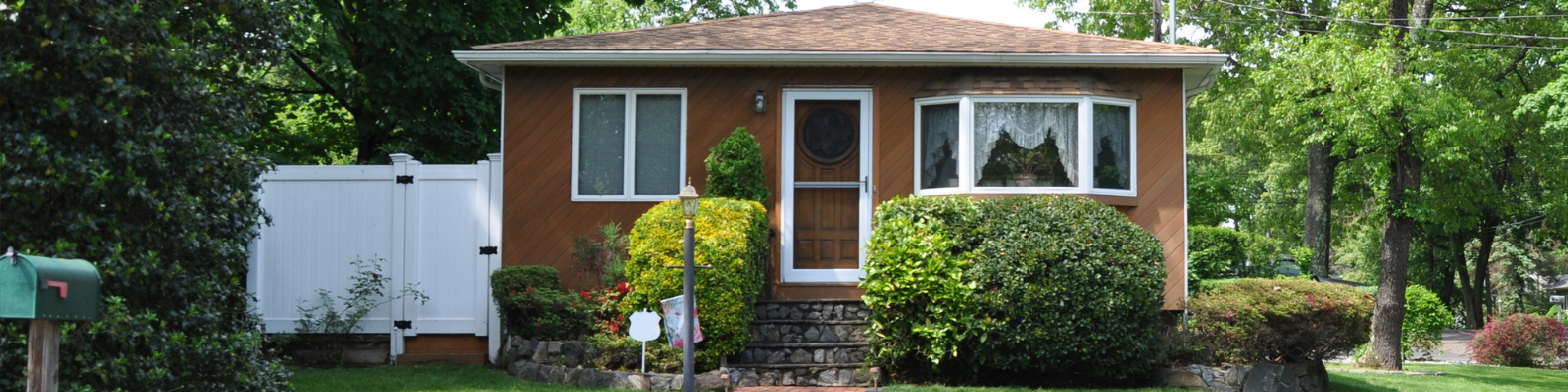
Is the walkway usable? Is the front entry clean? Are branches blocking access? Does the exterior lighting work? Are there obvious maintenance items around steps, railings, siding, or trim?
Then move room by room.
You do not need to make an older home look brand new. You do want it to feel maintained.
Pay attention to:
- Damaged drywall
- Heavy wall marks
- Loose or damaged trim
- Broken blinds or window coverings that will remain
- Damaged flooring
- Cabinet and drawer hardware
- Bathroom caulk and fixtures
- Lighting
- Interior doors
This is where owners sometimes overspend. A dated finish that is functional may be perfectly reasonable. A loose handrail or broken cabinet door is a different issue.
5. Decide What Needs Repair and What Actually Needs Replacement
Not every worn item needs to go into a dumpster.
Ask three questions:
- Does it work correctly?
- Is it reasonably safe and suitable for continued use?
- Will repairing it make sense?
A serviceable appliance with cosmetic wear differs from one that doesn’t maintain temperature. Older flooring is different from loose flooring that creates a hazard. A dated vanity is different from a leaking vanity.
This is one reason it helps to create a written make-ready list instead of making decisions room by room while contractors are already on site.
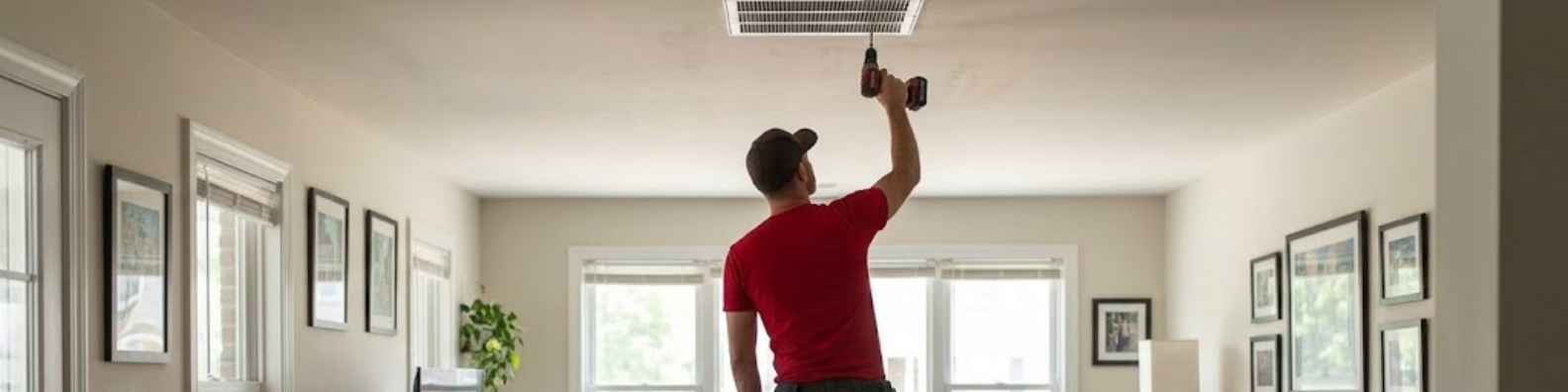
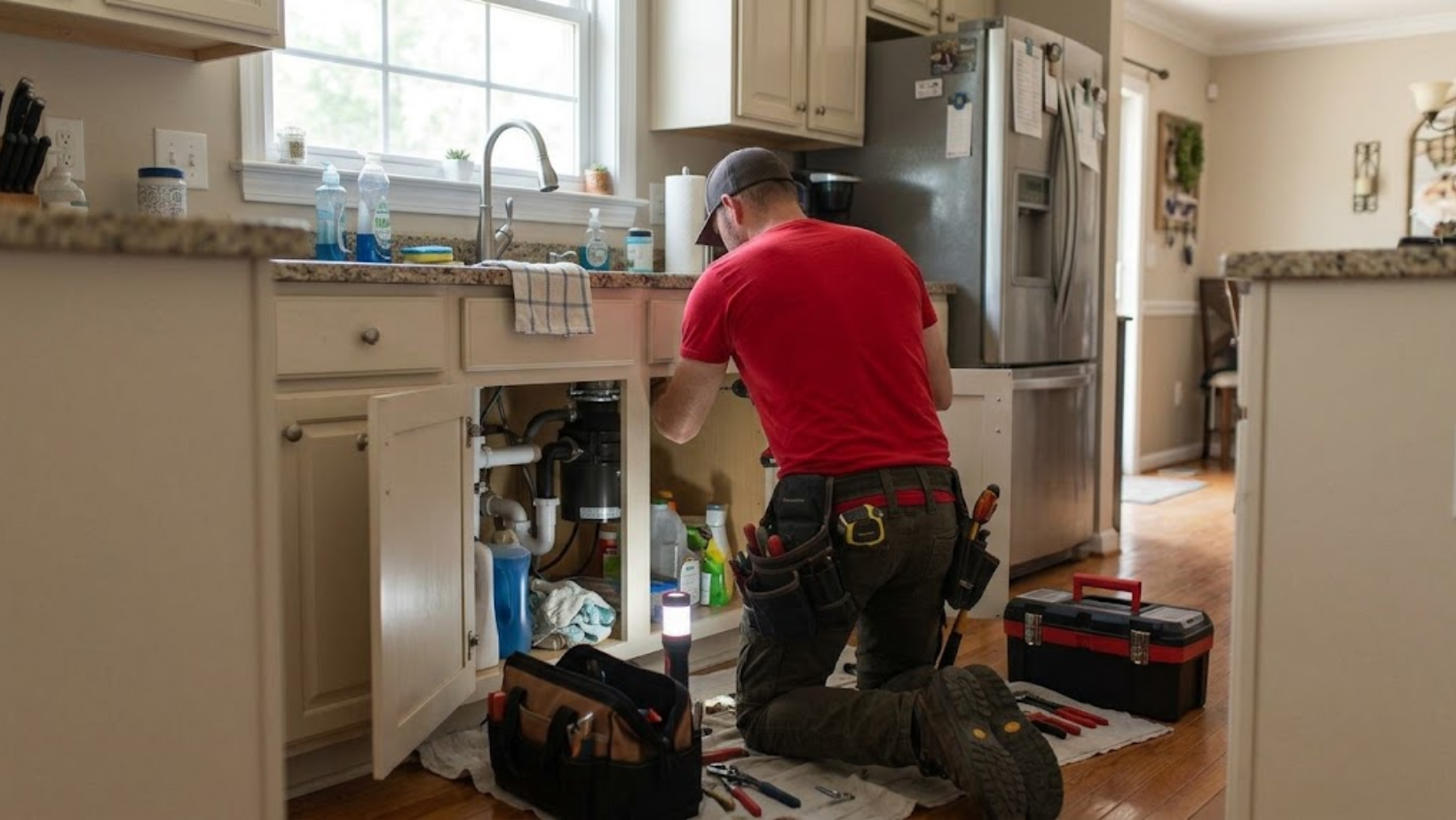
6. Check the HVAC, Plumbing and Other Major Systems Before Move-In
A vacant house is much easier to investigate for system problems than an occupied house.
If the HVAC has been unreliable, the water heater has shown signs of trouble, or a plumbing fixture has repeatedly leaked, don’t assume the problem will get easier after a resident moves in.
Keep records of significant recent service when possible. Model numbers, warranty information, service company information, and invoices can all become useful later.
If something requires a licensed or specialized contractor, use the appropriate professional rather than turning the pre-rental walkthrough into a DIY experiment.
7. Confirm Keys, Locks, Garage Remotes and Access
This sounds minor until move-in day arrives and nobody knows which key opens the side door.
Identify:
- Front and rear door keys
- Garage entry keys
- Mailbox keys, where applicable
- Garage remotes
- Gate or community access devices
- Utility room access
- Any owner-only areas that should be clearly identified
Remove old access instructions that no longer apply and keep a dependable record of what is being turned over.
8. Think Through Utilities Before the House Changes Hands
Do not wait until move-in day to decide how utilities will transition.
For properties served by the City of Albemarle, the city provides electric and water/sewer setup and transfer information. The city states that a leasing customer needs a completed lease showing the landlord and occupant signatures, occupancy dates, and people who will live at the residence.
You can review the city’s current utility setup information.
A property elsewhere in Stanly County may use different utility providers, so verify the service arrangement for the actual address rather than assuming every local rental follows the same process.
9. Complete Repair Work Before the Final Cleaning
It is frustrating to pay for a detailed cleaning and then bring painters, drywall work, or repair crews back through the house.
Whenever the project allows, finish the dusty and disruptive work first.
A practical sequence might look like:
- Investigate major repair concerns.
- Complete mechanical or plumbing work.
- Complete drywall, carpentry, or paint repairs.
- Handle exterior and yard work.
- Complete final cleaning.
- Perform a last walk-through.
- Photograph the finished condition.
The order will vary by house, but thinking through the sequence can reduce duplicate work.
10. Document the Property Before the New Tenancy Begins
Once the property is ready, document what it actually looks like.
Take clear, dated photographs or other appropriate condition records of rooms, appliances, flooring, walls, fixtures, and other relevant areas.
Documentation is useful because memories change. A clear record gives everyone a better reference point later.
Also keep important property information together rather than scattered through text messages and email threads.
Do Not Forget the Administrative Side of Becoming a Landlord
Preparing the physical house is only part of turning a property into a rental.
Depending on your situation, you may also need to review:
- Your insurance coverage and whether the property will be insured for rental use
- HOA or community restrictions, if applicable
- Lease documents
- How applications will be reviewed
- How a residential security deposit will be handled under North Carolina law
- How rent will be collected
- How residents will submit maintenance requests
- Who will make decisions when a repair is needed
North Carolina’s Tenant Security Deposit Act contains specific requirements for residential security deposits, including how deposits are held and how tenants are notified about the institution or bond holding the funds. If you are handling your own rental, review the current requirements rather than treating a security deposit like an ordinary checking-account deposit.
Getting the House Ready Is the Beginning, Not the End
A freshly prepared rental can feel like the finish line.
It is really the starting line.
Once a resident moves in, somebody still has to handle monthly payments, questions, maintenance requests, lease dates, renewals, inspections, records, and eventually another turnover.
That’s when many first-time landlords discover the difference between preparing a home for rent and managing a rental property.
Henderson Properties provides residential property management in Albemarle and Stanly County, including leasing, resident communication, rent collection, maintenance coordination and owner reporting.
Preparing an Albemarle Home for Rent?
If you are deciding what needs to happen before your property goes on the market, tell us about the home, its current condition, whether it is occupied, and when you hope to have it available.
This article provides general information for property owners and is not legal, tax, insurance, building-code or safety advice. Requirements can depend on the property and circumstances. Review applicable laws and regulations and consult qualified professionals when necessary.
