


What Should You Fix Before Renting Out Your Albemarle Home?
September 10, 2026
Most rental owners do not wake up one morning and suddenly decide to change property management companies.
Usually, the thought develops gradually. A repair takes more follow-up than expected. A statement raises questions. A lease date sneaks up. A resident keeps calling the owner directly, even though a management company is supposed to handle day-to-day communication.
None of those situations automatically means you need a new manager. Rental properties involve real homes, real residents, contractors, repairs, deadlines, and occasionally problems that take time to sort out. The better question is whether the same frustrations keep repeating and whether you are still doing more management work than you expected.
If you own a rental home in Albemarle or elsewhere in Stanly County, here are seven signs it may be time to take a closer look at your current property-management arrangement.
1. You Have to Follow Up Repeatedly to Find Out What Is Happening
Owners should expect to be involved in important decisions. That is different from having to chase basic updates.
If you regularly find yourself asking whether a contractor ever visited the property, whether a resident responded, whether a repair was completed, or what happened with a leasing issue, look at the pattern, not one isolated incident.
Ask yourself:
- Do I know who to contact with a question?
- Do I usually receive an answer that explains the next step?
- Am I informed when something requires my approval?
- Do I understand when an issue is still unresolved?
Property management should reduce the coordination an owner has to do. You should not have to become the person managing the manager.
2. Your Owner Statements Create More Questions Than Answers
An owner statement does not need to turn you into an accountant. It should help you understand what happened financially at the property during the month.
You should be able to identify rent collected, property expenses, repairs or other charges, and overall account activity. If something unusual appears, there should be a practical way to ask what it represents.
One confusing line item is not necessarily a reason to change companies. Repeated confusion, missing context, or difficulty getting an explanation is different.
Henderson Properties includes owner reporting and account access as part of its residential property management services because financial information is part of managing a rental, not an unrelated administrative task.
Learn more about residential property management in Albemarle.
3. Routine Resident Questions Still Come Directly to You
Some owners like staying closely involved with their rental properties. Others hire a management company specifically because they no longer want every payment question, maintenance request, access issue, or renewal conversation coming directly to them.
If residents consistently bypass the management process and contact you instead, ask why.
Perhaps they never received clear instructions. Maybe they have not been getting responses. Or perhaps the existing arrangement never clearly established who handles which questions.
The point is not to shut residents out. It is to establish a dependable communication path so routine matters do not bounce between the resident, manager, contractor, and owner.
4. Maintenance Requires Too Much Owner Coordination
Rental maintenance can be messy even when everyone is doing their job. A resident has to explain the problem. Someone may need access. A contractor may need to diagnose the cause before providing a final scope. Parts may need to be ordered. An owner may need to approve larger work.
Evaluate how much of that process you personally coordinate.
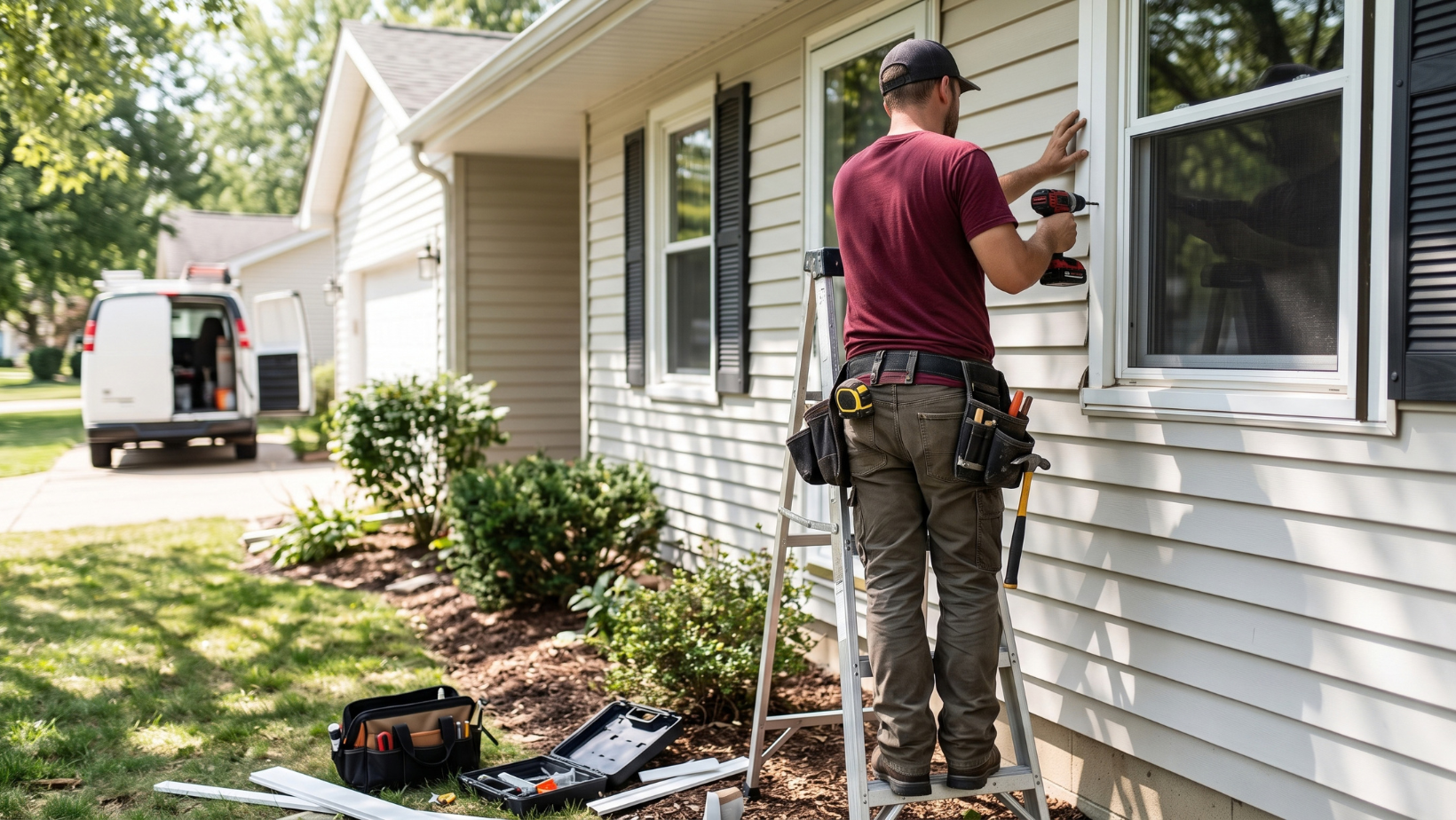
Potential warning signs include:
- Residents repeatedly contacting you because they do not know the status of a repair.
- Having to call vendors yourself to confirm whether work was completed.
- Recurring problems being treated as unrelated one-time repairs.
- You learning about significant property issues much later than expected.
- Unclear expectations about when owner approval is needed.
A property management agreement should help define how maintenance is coordinated, how approvals work, and how related expenses are communicated.
5. Important Lease Dates Keep Becoming Last-Minute Decisions
Lease renewals and move-outs affect several other parts of rental management.
If a resident plans to leave, the owner may need to think about property condition, make-ready work, rental pricing, marketing, showing availability, and the timing of the next lease.
If a resident may renew, consider the current rent, the resident’s history, the owner’s plans for the property, and the renewal terms.
Those decisions are much easier when you discuss them before the deadline is staring everyone in the face.
If lease dates repeatedly surprise you, ask how your current management company tracks renewals, notices, and upcoming move-outs.
6. Your Property or Portfolio Has Changed, but the Management Relationship Has Not
The property manager who seemed like a reasonable fit when you owned one rental may not necessarily be the best fit after your situation changes.
You may now own several homes. You may have moved away from Albemarle or out of North Carolina. You might have purchased a duplex, small multifamily property, or commercial building. Perhaps you simply have less time to handle ownership responsibilities yourself.
Your needs can change even when nothing is particularly “wrong” with your existing management company.
This becomes especially important if your portfolio now includes both residential and commercial property. Commercial management can involve lease administration, business-tenant communication, service contracts, shared expenses, vendor coordination, and other responsibilities that differ from managing a single-family rental.
If that describes your situation, you can also review our commercial property management services in Albemarle.
7. You Spend Too Much Time Managing the Property Manager
This may be the simplest test.
Think about why you hired professional property management in the first place.
Was it to avoid coordinating every repair? To stop handling monthly payment issues? To have someone local when you live out of town? To get better organization across several properties?
If you still handle many of those responsibilities yourself, compare your current arrangement with the arrangement you thought you were hiring.
That does not necessarily mean the answer is to switch. It may mean you need a clearer conversation about expectations. But if the same gaps continue after those conversations, evaluating another option is reasonable.
Before You Switch, Review What You Already Agreed To
Don’t start by picking an arbitrary handoff date.
Start with your existing management agreement. Look for notice requirements, termination provisions, outstanding charges, record-keeping responsibilities, and other terms related to ending the relationship.
Then start gathering information that may matter to a new manager:
- Current leases and renewal dates
- Resident payment and account information
- Security-deposit records
- Open maintenance requests
- Repairs or projects already scheduled
- Warranties and service contracts
- Keys and property-access information
- Recent owner statements and property records
You do not necessarily need all of these documents before asking another management company a question. They matter when you start discussing what an actual transition would involve.
If you disagree with your current company about contractual rights, termination requirements, or financial obligations, get appropriate legal advice rather than assuming another owner’s situation applies to yours.

Can You Switch Property Managers While a Resident Is Still in the Home?
You can discuss a management change while a rental property is occupied. An occupied home simply creates more information to review.
The existing lease still matters. So do payment records, security deposit information, open repairs, access instructions, resident communication, and your current management agreement.
Changing property managers does not mean you should assume the resident needs a new lease or that existing contractual obligations simply disappear.
We explain the process in more detail on our Switch Property Managers page.
A Better Question Than “Is My Property Manager Good or Bad?”
Property management decisions do not have to be personal.
A more useful question is:
Does the management arrangement I have today match what my property and my ownership situation need?
If the answer is no, identify the specific problems you would like to solve. That gives you something meaningful to compare when you speak with another property management company.
Ready For A Change?
Henderson Properties works with residential and commercial property owners who want help with leasing, communication, maintenance coordination, collections, reporting, and day-to-day management.
If you are considering a change, tell us about the property, whether it is currently occupied, how it is managed today, and what you would like to work differently.
